First Helmet, First Snap: An 8U Team Discovers Football

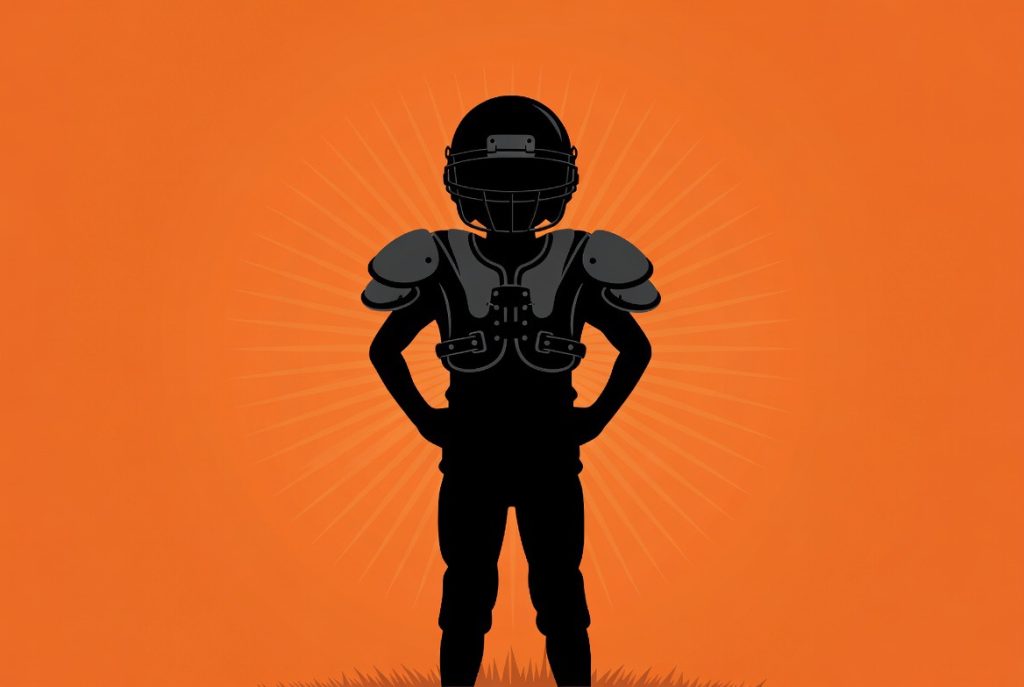
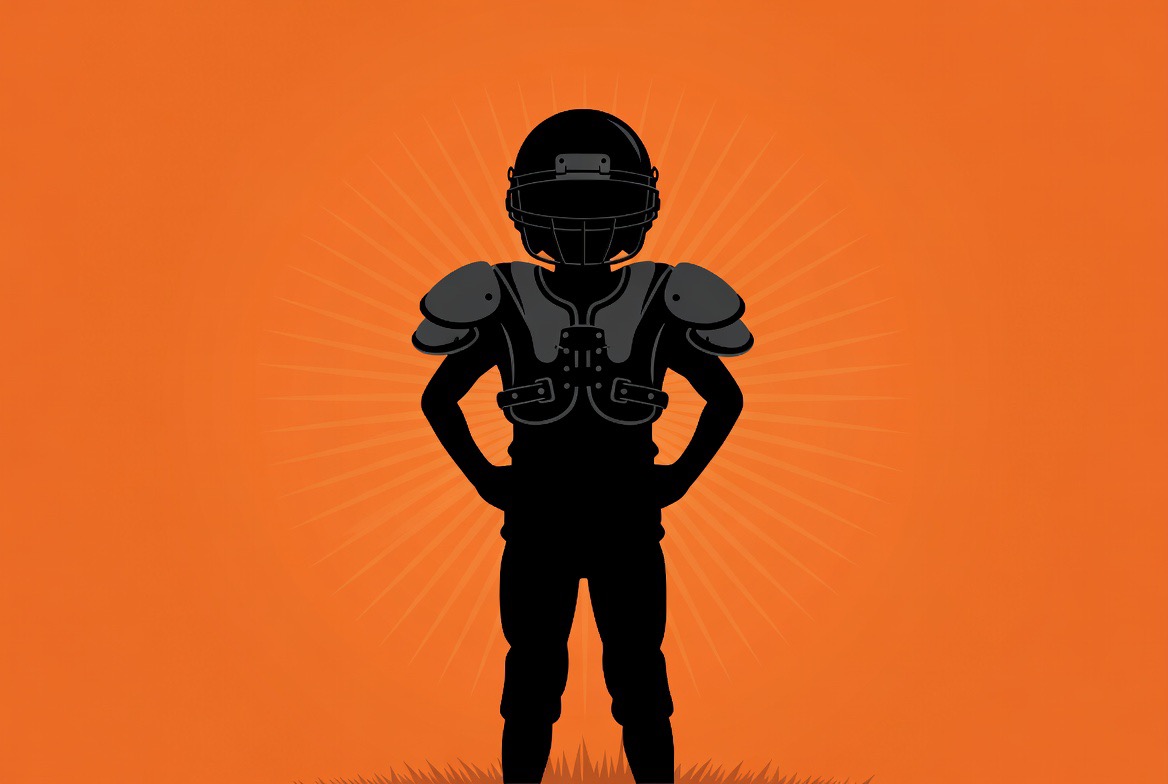
There is a particular kind of magic in a fieldhouse on equipment day. For an 8U football team, it is the morning the game stops being something they watch on Sundays and becomes something they can hold. Shoulder pads that smell like fresh plastic. A jersey with a number that is suddenly, gloriously, theirs. And the helmet — the big one, the real one — waiting on the table like a crown.
The Wonder of Getting Geared Up
Watch an eight-year-old pick up a set of shoulder pads for the first time and you will see the whole season in their face. They turn the pads over, knock on the hard shell, try to figure out which way is front. They tug the jersey down over the pads and instantly stand a little taller — broader, tougher, transformed. For a lot of these kids it is the first uniform they have ever worn that says, in effect, you belong to something now.
The cleats get laced and re-laced. The mouthguard gets molded in hot water while the whole row of kids stares like it is a science experiment. Everything is new, everything is a little too big, and every single piece of it is exciting.
The Helmet — and the Pride of Mom and Dad
Then comes the helmet fitting, and the room changes. A coach or trained fitter measures the child’s head, checks the fit cheek-to-cheek, and snaps the chinstrap. A properly fitted helmet should sit one to two finger-widths above the eyebrows, should not slide or rock when the head moves, and should leave no gaps against the cheeks — fit is the single most important safety detail, and it should be re-checked as kids grow.1
When that chinstrap clicks, look at the parents. Dad straightens up. Mom gets quiet. There is real pride there — the kid in pads looking like a tiny version of someone they have cheered for their whole lives. And honestly, there is fear right next to it. Both parents are thinking the same thing: is my baby going to be okay out there?
That fear is not a weakness. It is the exact instinct that keeps youth football honest — the reason equipment standards, coaching certifications, and contact limits exist at all. Good programs do not dismiss that worry. They answer it.
Coaching the Smallest Players
At 8U, the job of a coach is less about Xs and Os and more about confidence. The best first-year coaches teach in tiny, repeatable pieces: how to get into a stance, how to fall safely, how to keep the head up. USA Football’s Heads Up Football program emphasizes coach education, proper tackling technique that keeps the head out of contact, and a structured approach to teaching the fundamentals at age-appropriate levels.2
Practice at this age is full of whistles, water breaks, and a lot of laughing. That is by design. Kids who are having fun pay attention, and kids who pay attention learn the habits that keep them safe.
Safety and Preparation
Here is what parents should know — and what a well-run 8U program already has in place:
- Concussion awareness. Coaches, parents, and players should know the signs and the rule of thumb: when in doubt, sit them out. The CDC’s HEADS UP program provides free training and materials specifically for youth-sports coaches and parents.3
- Certified equipment. Helmets used in organized play should meet NOCSAE standards and be properly reconditioned and recertified on a schedule rather than used indefinitely.4
- Limited and progressive contact. Quality programs cap full-contact time in practice and teach contact in stages, so kids build technique before intensity.2
- Heat and hydration. Frequent water breaks and acclimatization in early-season heat are non-negotiable for young athletes.3
- An emergency plan. Ask whether your program has a written emergency action plan and access to first aid — it is a fair and important question.
The First Snap
On the first day of real practice, the kids line up, helmets on, looking like a herd of slightly oversized turtles. The whistle blows. The ball is snapped. Somebody runs the wrong way, somebody trips over their own feet, and somebody makes a play they will talk about for a week.
The parents on the sideline let out the breath they have been holding all summer. The fear does not disappear — but it makes room for the pride. Because out there, under a helmet that fits just right, an eight-year-old just discovered the game of football. And that is a beginning worth every nervous heartbeat.
Sources
- NOCSAE / helmet manufacturer fitting guidance — proper helmet fit, position, and chinstrap securement for youth football. (National Operating Committee on Standards for Athletic Equipment, nocsae.org)
- USA Football — Heads Up Football: coach certification, tackling technique, and practice-contact guidelines. (usafootball.com)
- CDC HEADS UP — concussion signs, “when in doubt, sit them out,” and heat/hydration guidance for youth sports. (cdc.gov/headsup)
- NOCSAE — helmet performance standards and recertification/reconditioning requirements. (nocsae.org)